What Is a Limit Order? Limit Price Explained
A limit order is you telling the market your price. Here's exactly how it fills, and when it won't.
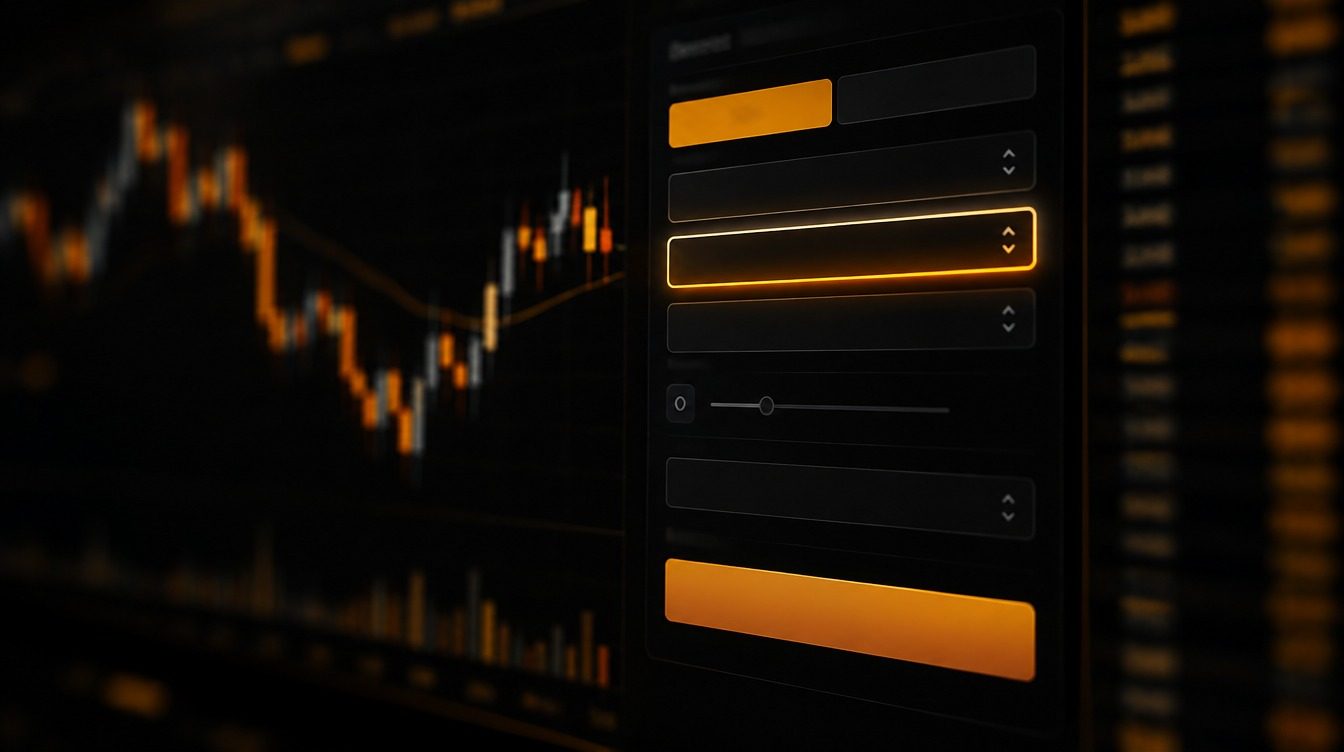
A limit order is an instruction to buy or sell only at a specific price or better. That price is the limit price. A buy limit fills at the limit price or lower; a sell limit fills at the limit price or higher. You control the price you get, but there's no guarantee the order will fill at all if the market never reaches your price.
What is a limit price?
The limit price is the worst price you're willing to accept. For a buy, it's the maximum you'll pay; for a sell, it's the minimum you'll receive. If the market offers a better price when your order arrives, you get the better price. The SEC's investor site explains it alongside other order types in its guide to types of orders.
Buy limit and sell limit examples
| Order | Stock price now | Limit price | What happens |
|---|---|---|---|
| Buy limit | $50.20 | $49.50 | Waits. Fills only if sellers offer at $49.50 or lower. |
| Buy limit (marketable) | $50.20 | $50.30 | Fills straight away, at $50.20 if that's still the best offer. |
| Sell limit | $50.20 | $52.00 | Waits. Fills only if buyers bid $52.00 or higher. |
| Sell limit (marketable) | $50.20 | $50.00 | Fills straight away at the best bid, as long as it's $50.00 or more. |
A limit order that can fill immediately is called marketable. Traders often use marketable limits instead of market orders: you get almost the same speed, with a ceiling or floor on the price in case the market jumps.
How does a limit order fill?
A resting limit order joins the order book at its price. Orders at the same price are generally filled in time order (first come, first served), so even if the market touches your price, you might not be filled if there were orders ahead of you and not enough volume traded there. That's why traders say a limit order is only "guaranteed" to fill if price trades through your level, not just touches it.
Large limit orders can also be partially filled: you might get 300 of your 1,000 shares before the price moves away. Check your broker's rules on whether the rest stays working and whether you pay commission per fill.
How long does a limit order last?
- Day: cancels automatically at the end of the regular session if not filled.
- Good 'til cancelled (GTC): stays working until filled or cancelled, often up to 60–180 days depending on the broker.
- Extended hours: special settings that let the order work in pre-market or after-hours sessions.
- Immediate or cancel (IOC) / fill or kill (FOK): fill now, fully or partly, or cancel.
Limit order vs market order
| Limit order | Market order | |
|---|---|---|
| Price | Your limit or better | Whatever the market offers |
| Certainty of fill | Not guaranteed | Almost guaranteed in liquid markets |
| Slippage risk | None beyond your limit | Can be large in fast or thin markets |
| Best for | Planned entries, thin stocks, extended hours, exits at targets | Getting out fast when certainty matters more than price |
For day traders, the hidden cost of market orders is slippage, which quietly eats into results. It adds up quickly over hundreds of trades, which is part of why so few traders end up profitable, as we covered in what percentage of day traders make money.
How to sell a stock at a certain price
- Open the order ticket and choose Sell.
- Enter the quantity.
- Choose Limit as the order type and enter your target price.
- Choose the time in force: Day, or GTC if you want it to keep working.
- Review and submit. The order will sit until a buyer meets your price.
A sell limit above the market is a take-profit order. To protect against losses below the market, you'd use a stop or stop-limit order instead; the SEC's bulletin on stop and stop-limit orders explains how they differ.
How traders use limit orders
- Entering on pullbacks to a level, such as the retest of an order block.
- Scaling out with several sell limits at different targets.
- Avoiding the spread by bidding instead of paying the offer in liquid markets.
- Trading illiquid stocks where a market order could fill far from the last price.
The risk is the trade that runs away without you. Many traders accept that missed trades are cheaper than bad fills.
Common questions
What does limit mean when buying stocks?
It's the highest price you're willing to pay. Your order fills only at that price or lower.
Is a limit order guaranteed to fill?
No. It fills only if the market reaches your price and there's enough volume for your order's place in the queue.
What is a buy limit order?
An order to buy at a set price or lower, usually placed below the current market price to enter on a dip.
Can you change a limit order after placing it?
Yes. Most platforms let you modify the price or quantity of a working order, though it may lose its place in the queue.
This guide is for education only and isn't financial advice. Trading involves risk, so practise new ideas on a demo account first.